
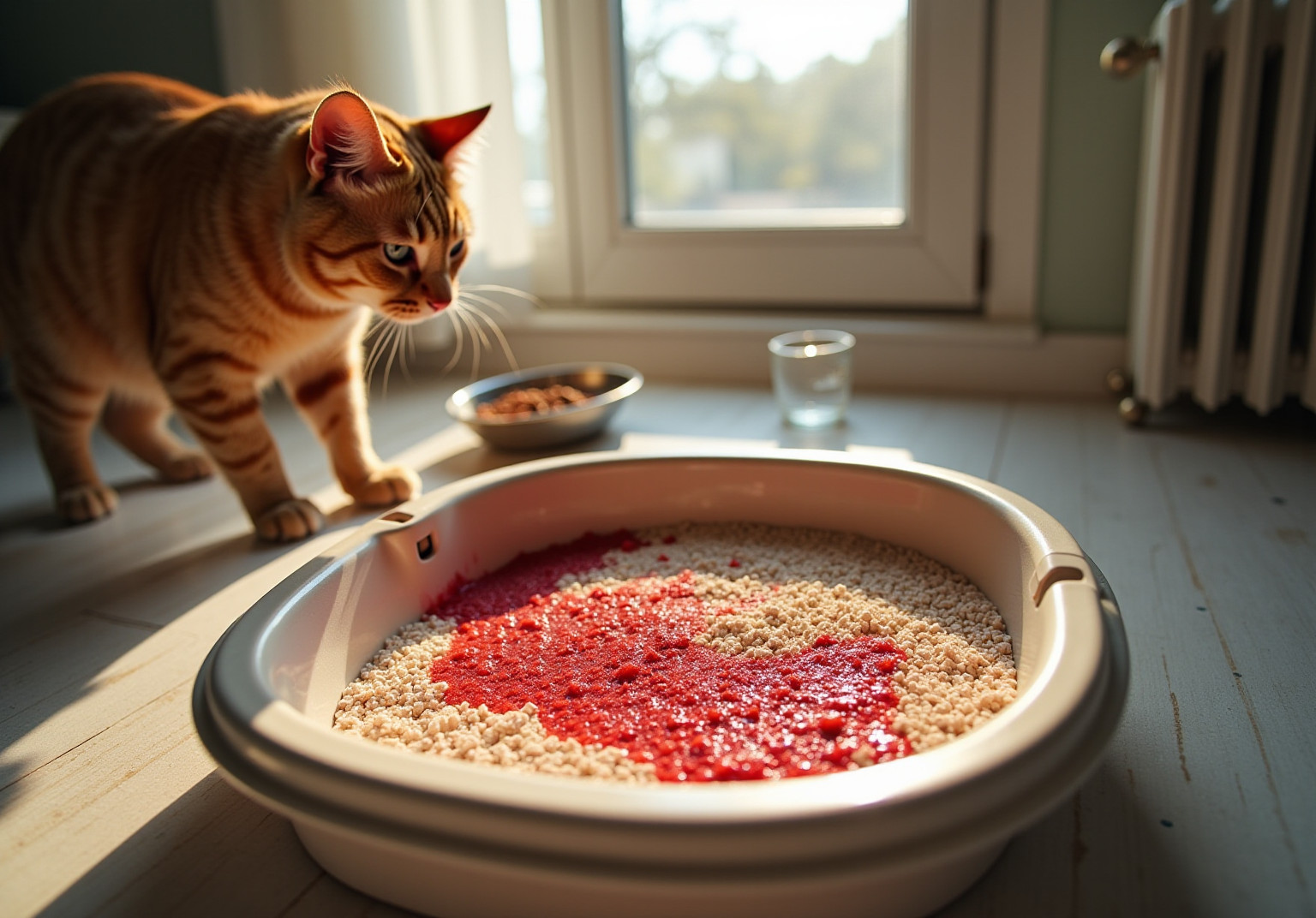
Understanding Blood in Cat Urine: Causes and Solutions for Pet Owners
Overview
This article seeks to understand the causes and solutions for blood in cat urine, known as hematuria. This condition can be alarming, as it may indicate serious health issues such as:
- Urinary tract infections
- Bladder stones
- Cancer
We recognize how distressing it can be to notice changes in your beloved pet’s health, and it’s essential to address these concerns with care and urgency. Early recognition of symptoms, seeking veterinary care, and implementing preventive measures—like dietary changes and increased hydration—are crucial steps that can significantly enhance your cat’s health and well-being.
Remember, you are not alone in this journey; many pet owners share similar worries, and together we can work towards ensuring our furry friends lead happy, healthy lives.
Introduction
Discovering blood in your cat’s urine can be a heart-stopping moment, stirring a wave of concern for your beloved companion’s health. This distressing symptom, known as hematuria, may arise from various underlying issues, ranging from:
- Urinary tract infections
- Bladder stones
- Cancer
It’s completely natural to feel anxious in such situations, as our pets are cherished members of our families. Understanding the potential causes and appropriate responses not only empowers you to act swiftly but also plays a vital role in ensuring your cat’s well-being.
When faced with this alarming symptom, it’s important to know what steps to take and how to differentiate between minor issues and serious health threats. Your concern is valid, and together we can navigate this challenging experience.
Define Hematuria: Understanding Blood in Cat Urine
Hematuria is a term that may sound alarming, but it simply refers to the presence of blood in cat urine. This can appear as visible red or pink discoloration, or it may only be detected through laboratory analysis. It’s important to understand that this situation is not uncommon; research indicates that bladder issues, including hematuria, are prevalent among our feline friends, particularly those with pre-existing health concerns. When you notice blood in cat urine, it can be quite distressing, as this condition may signal serious medical issues such as urinary tract infections, bladder stones, or even cancer. Recognizing these signs early is crucial for your pet’s health.
Symptoms can vary significantly. Some cats may exhibit noticeable changes in urine color, while others might not show any visible signs at all, yet still require a veterinary evaluation. This variability can add to the concern, making it all the more important for pet owners to remain vigilant. Diagnostic methods such as urinalysis, blood tests, and imaging techniques like X-rays and ultrasounds play a vital role in uncovering the underlying causes of hematuria. Seeking prompt veterinary attention can greatly enhance health outcomes, ensuring your beloved feline receives the care and treatment they need.
In addition to seeking veterinary care, it’s essential to monitor any changes in your cat’s urine volume, smell, or other symptoms. Providing fresh water and a nutritionally complete diet can help prevent urinary issues. If you notice your cat straining to urinate or unable to do so, it’s critical to seek immediate veterinary care. Your proactive approach can make all the difference in your pet’s well-being, giving you peace of mind as you navigate this challenging situation together.

Identify Causes: Common Reasons for Blood in Cat Urine
As a cat owner, noticing blood in cat urine can be alarming for you. Several factors can lead to hematuria in cats, and understanding these can help you respond appropriately and ensure your beloved pet receives the care they need.
-
Feline Lower Urinary Tract Disease (FLUTD) is one of the most common culprits. This condition affects the bladder and urethra, often causing inflammation and bleeding. Feline Idiopathic Cystitis (FIC), a form of FLUTD, is frequently triggered by stress and is more prevalent in indoor, overweight cats on dry food diets. Recognizing the signs early can make a significant difference in your cat’s well-being.
-
While Urinary Tract Infections (UTIs) are less common in felines compared to dogs, they can still occur, particularly in older or female cats. UTIs can lead to irritation and bleeding, and prompt treatment with antibiotics is essential. By addressing these infections quickly, you can help prevent complications such as bladder stones or kidney infections, ensuring your feline remains healthy and comfortable.
-
Another potential cause of hematuria is Bladder Stones. These formations can irritate the bladder lining, leading to bleeding. Struvite and calcium oxalate crystals are the most common types. Struvite crystals can often be dissolved through dietary changes, while calcium oxalate typically requires surgical intervention. Understanding these options can empower you to make informed decisions for your pet’s health.
-
Injuries from accidents or fights can also lead to trauma, which may result in blood in cat urine. This situation can indicate potential internal bleeding, making it crucial to seek veterinary attention immediately. If you ever notice blood in cat urine, don’t hesitate to reach out for help—your prompt action can be vital.
-
Lastly, while it’s rare, Cancer in the excretory system can lead to hematuria, especially in cats aged 10 and above. Early detection through diagnostic tests can open doors to successful treatment options, including surgical removal if the tumor is small. Staying vigilant and proactive about your cat’s health can lead to better outcomes.
By understanding these causes, you can recognize symptoms early and seek timely veterinary assistance. Remember, untreated conditions can lead to severe complications, but you are not alone in this journey. Your awareness and care for your pet’s health are the first steps toward ensuring they receive the best possible care.

Explore Diagnosis: How Veterinarians Identify the Problem
As a loving pet owner, it can be distressing to notice any signs of health issues in your feline friend, such as blood in cat urine. Understanding the diagnostic methods veterinarians use can empower you to take an active role in your cat’s health care. Each method plays a vital part in uncovering the root cause of these urinary concerns, ensuring your beloved companion receives the best possible care.
-
Physical Examination: A thorough check-up allows veterinarians to assess your cat’s overall health, helping to identify any immediate issues that might be contributing to urinary problems. This step is crucial, as it provides a foundation for further investigation.
-
Urinalysis: This essential test examines the urine for abnormalities, including blood in cat urine, bacteria, and crystals. It plays a key role in diagnosing conditions such as bladder infections (UTIs) and kidney issues, offering insights into hydration levels and kidney function. For instance, finding proteins in the urine may indicate potential kidney or bladder disorders, underscoring the importance of this test in your cat’s health journey.
-
Blood Tests: These tests help uncover underlying health concerns, including kidney function and possible infections, giving a broader picture of your cat’s well-being. Understanding these results can be comforting, as they guide the next steps in care.
-
Imaging: Techniques like X-rays or ultrasounds provide a visual understanding of the renal system, allowing veterinarians to identify stones, tumors, or other structural issues that may be affecting your cat’s health.
-
Cystoscopy: In certain situations, veterinarians may recommend a cystoscopy. This procedure allows for direct visualization of the bladder and urethra, helping to identify any lesions or obstructions that could be causing discomfort.
Recognizing these diagnostic steps not only helps you feel more informed but also emphasizes the importance of seeking timely veterinary care. For example, a case study showed that early urinalysis led to the quick diagnosis of a UTI, significantly enhancing the cat’s recovery. Regular urine tests are vital for the early detection and management of bladder infections and kidney diseases. By being attentive to signs of bladder discomfort and promptly seeking veterinary assistance, you can ensure that your feline companion receives the compassionate care they deserve.

Review Treatment Options: Addressing Blood in Cat Urine
When your beloved cat experiences blood in cat urine, it can be a distressing situation, filled with worry and concern for their well-being. Understanding that this condition can include symptoms such as blood in cat urine and can stem from various causes, ranging from infections to more serious issues, is the first step toward ensuring your furry friend receives the best care possible. It’s essential to approach treatment with compassion and a focus on your cat’s unique needs.
-
Medications play a crucial role in addressing the underlying problems. For instance, antibiotics are often prescribed for urinary tract infections, while anti-inflammatory drugs can help manage discomfort and inflammation. Medications like buprenorphine may also be recommended to alleviate pain associated with conditions such as feline idiopathic cystitis (FIC). Dr. Duncan Houston wisely reminds us, “Your vigilance, hydration focus, and partnership with vet care make all the difference.”
-
Dietary changes can significantly impact your cat’s bladder health. Tailoring their diet to include specialized formulations aimed at dissolving bladder stones or reducing crystal formation can lead to remarkable improvements. Regular consultations with your veterinarian will help you identify the most suitable dietary adjustments for your cat, ensuring they receive the nourishment they need.
-
Increased hydration is another vital aspect of bladder health. Encouraging your cat to drink more water can help minimize the risk of bladder stones. Consider incorporating wet cat food, which contains about 70% to 80% water, into their meals. Additionally, providing fresh water in broad, shallow bowls can make drinking more inviting, promoting better hydration and overall health.
-
In some severe cases, surgery may be necessary, especially if tumors or large bladder stones are present. Early detection through diagnostic tests such as urinalysis and imaging can enable timely intervention, ensuring your cat receives the care they need as soon as possible.
-
Behavioral modifications are also crucial, particularly for managing stress-related conditions like FIC. Creating a calm environment, providing engaging toys, and maintaining a clean litter box—following the guideline of one litter box for each cat plus one additional—can help alleviate anxiety and improve your cat’s bladder health. Dr. Duncan Houston emphasizes the importance of reviewing stress and environmental factors, especially when FIC is suspected.
By understanding these treatment options and working closely with your veterinarian, you can develop a comprehensive care strategy that caters to your cat’s specific needs, ultimately enhancing their quality of life. A case study on treating urinary tract infections in cats underscores the importance of accurate diagnosis and adherence to prescribed antibiotic treatments, which can effectively resolve these infections and prevent symptoms such as blood in cat urine, leading to improved health and preventing future complications.

Conclusion
Recognizing blood in cat urine, or hematuria, is a critical issue that pet owners must address with both urgency and understanding. This condition, while alarming, can arise from various causes, ranging from urinary tract infections to more severe health concerns like bladder stones or cancer. It’s essential to remain informed and proactive; doing so can significantly enhance your pet’s chances of recovery and overall well-being.
Throughout this article, we have shared key insights about the importance of recognizing symptoms, understanding potential causes, and seeking timely veterinary care. Diagnostic methods, such as urinalysis and imaging, serve as essential tools that veterinarians use to uncover the root of the problem. Moreover, treatment options—including medications, dietary changes, and increased hydration—play a crucial role in managing hematuria and improving your cat’s health.
Ultimately, the well-being of your feline companion lies in your hands. By staying vigilant and responsive to changes in their health, you can ensure that your cat receives the best possible care. Emphasizing the importance of early detection and intervention can lead to better outcomes and a happier, healthier life for your beloved pet. Taking action now can pave the way for a brighter future for both you and your cat.