
Is Milk Good for Dogs? What Vets Say About Dairy, Lactose and Safer Treats
Milk isn’t toxic to dogs, but it isn’t good for them either: a small splash as an occasional treat is usually fine for a dog that tolerates dairy, while many adult dogs are lactose intolerant and get an upset stomach from even small amounts.
If you landed here hoping to find research that proves milk is good for your dog, we get it. Plenty of dogs go wild for a splash of milk, and it seems like it should be a wholesome treat. The science tells a different story, though, and we’d rather give you the honest answer than the one you were hoping for.
Disclaimer: This article is for general information only and isn’t a substitute for professional veterinary advice. Every dog is different, so always talk to your vet before changing your dog’s diet, and contact them right away if you’re worried about your dog’s health.
Milk and Dogs: Quick Facts
- Is it safe? Not toxic. A small splash now and then is generally okay for dogs that handle dairy.
- Is it healthy? Not really. Dogs already get protein and calcium from a balanced diet, and milk adds fat, sugar and calories.
- Lactose intolerance: common in adult dogs. Signs include diarrhea, vomiting, gas, bloating and belly pain.
- Plant milks: almond, oat, soy and coconut milk aren’t recommended, and some contain xylitol, which is toxic to dogs.
- Puppies: only mom’s milk or a puppy milk replacer. No cow or goat milk.
- Best drink: fresh, clean water, always.
Table of Contents
- Is Milk Good for Dogs?
- Are Dogs Lactose Intolerant?
- How Much Milk Can a Dog Have?
- What About Goat Milk, Lactose-Free Milk and Plant Milks?
- Can Puppies Drink Milk?
- What Dairy Treats Are Safer for Dogs?
- When Should You Call the Vet?
- Milk and Dogs FAQ
Is Milk Good for Dogs?
Not especially. A small amount is probably safe for a dog that isn’t sensitive to dairy, but milk carries more risks than benefits for the average dog.
If you’ve ever poured a bowl of cereal with a dog at your feet, you know the look. Milk is rich, fatty and a little sweet, so it’s no surprise dogs love it. The Canadian Veterinary Medical Association calls it what it is, though: an occasional treat, not something dogs need.
Milk does contain protein and calcium, but dogs already get both from a complete and balanced dog food. What milk adds on top is fat, natural sugar and extra calories. Too much can contribute to weight gain and pancreatitis, and it can trigger vomiting, diarrhea, gas and belly pain even in moderate amounts.
Milk isn’t toxic, and one lick off the floor isn’t an emergency. The bigger issues are an upset stomach in the short term and, for some dogs, an allergy to milk proteins that develops over time.
Are Dogs Lactose Intolerant?
Many are. Puppies are born ready to digest their mother’s milk, but most dogs lose much of that ability as they grow up.
It comes down to an enzyme called lactase, which breaks down lactose, the natural sugar in milk. According to the CVMA, lactase activity drops to about 10 per cent of its peak after weaning. When a dog takes in more lactose than its body can handle, the leftover sugar ferments in the gut, and that’s where the cramping and diarrhea come from.
The signs usually show up within hours and range from mild to severe. Watch for:
- Diarrhea or loose stools
- Vomiting
- Gas and bloating
- Belly pain
- A drop in appetite
These can appear after even a small amount of milk. A large serving, like a whole bowl, can upset the stomach of a dog that normally handles a splash just fine, simply because it’s more lactose than the body can break down at once.
How Much Milk Can a Dog Have?
A small splash, offered occasionally, is plenty for a dog that tolerates dairy. Skip the bowl.
If you’re not sure how your dog handles milk, check with your vet first, then offer a very small amount and watch them over the next day. Loose stools or any of the signs above mean dairy isn’t for your dog, and the CVMA recommends letting your vet know.
Like every treat, milk counts toward your dog’s daily calories. That matters most for dogs who are watching their weight or have a history of pancreatitis, since the fat in milk works against both. For those dogs, ask your vet before offering any dairy at all.
What About Goat Milk, Lactose-Free Milk and Plant Milks?
Alternatives aren’t automatically gentler. Goat milk still has plenty of lactose, and plant-based milks bring their own problems.
Goat milk is often marketed as the easier option, but the numbers don’t back that up. The CVMA notes that cow’s and goat’s milk both contain about 4.5 to 5 per cent lactose, compared with about 3.1 per cent in a mother dog’s milk. A lactose-intolerant dog can react to goat milk just as easily.
Lactose-free milk solves one problem, since the milk sugar has been broken down. It’s still high in fat and calories, though, so treat it as an occasional treat and check with your vet before making it a habit.
Plant milks like almond, oat, soy and coconut aren’t recommended either. They tend to be high in calories and fat, can cause vomiting and diarrhea, and some dogs are allergic to the main ingredient. Many also contain added sugars or sweeteners.
The sweetener to watch for is xylitol, also sold as birch sugar. It’s extremely toxic to dogs and can drop their blood sugar dangerously fast, and it turns up in sugar-free gum and candy, baked goods, some peanut butters and even toothpaste. Always check the label before sharing, and if you think your dog has had xylitol, call your vet or an emergency clinic right away. Our list of the most toxic foods for dogs covers other pantry items to keep out of reach.
Can Puppies Drink Milk?
Only dog milk or a puppy milk replacer made for them. Cow’s and goat’s milk aren’t designed for puppies and can be too rich in some nutrients and lacking in others.
Once a puppy is weaned, they don’t need milk at all. A balanced puppy food covers everything they need to grow.
What Dairy Treats Are Safer for Dogs?
Some dogs who can’t handle milk do fine with small amounts of cheese or plain yogurt, because those foods have less lactose or have had some of it broken down. Others react to dairy of any kind.
Cheese, including cottage cheese, is usually easier on the stomach than milk. Stick to plain, lower-fat options in tiny pieces, and skip anything flavoured with garlic, onion or chives.
Plain, unsweetened yogurt with live cultures is another option, since the bacteria break down some of the lactose. Avoid flavoured and sweetened yogurts, especially sugar-free ones that may contain xylitol.
Ice cream is best left for the humans. It has the same lactose, fat and sugar concerns as milk, and some flavours, like chocolate or sugar-free versions made with xylitol, are dangerous for dogs. On a hot day, a frozen dog-safe treat is a better pick.
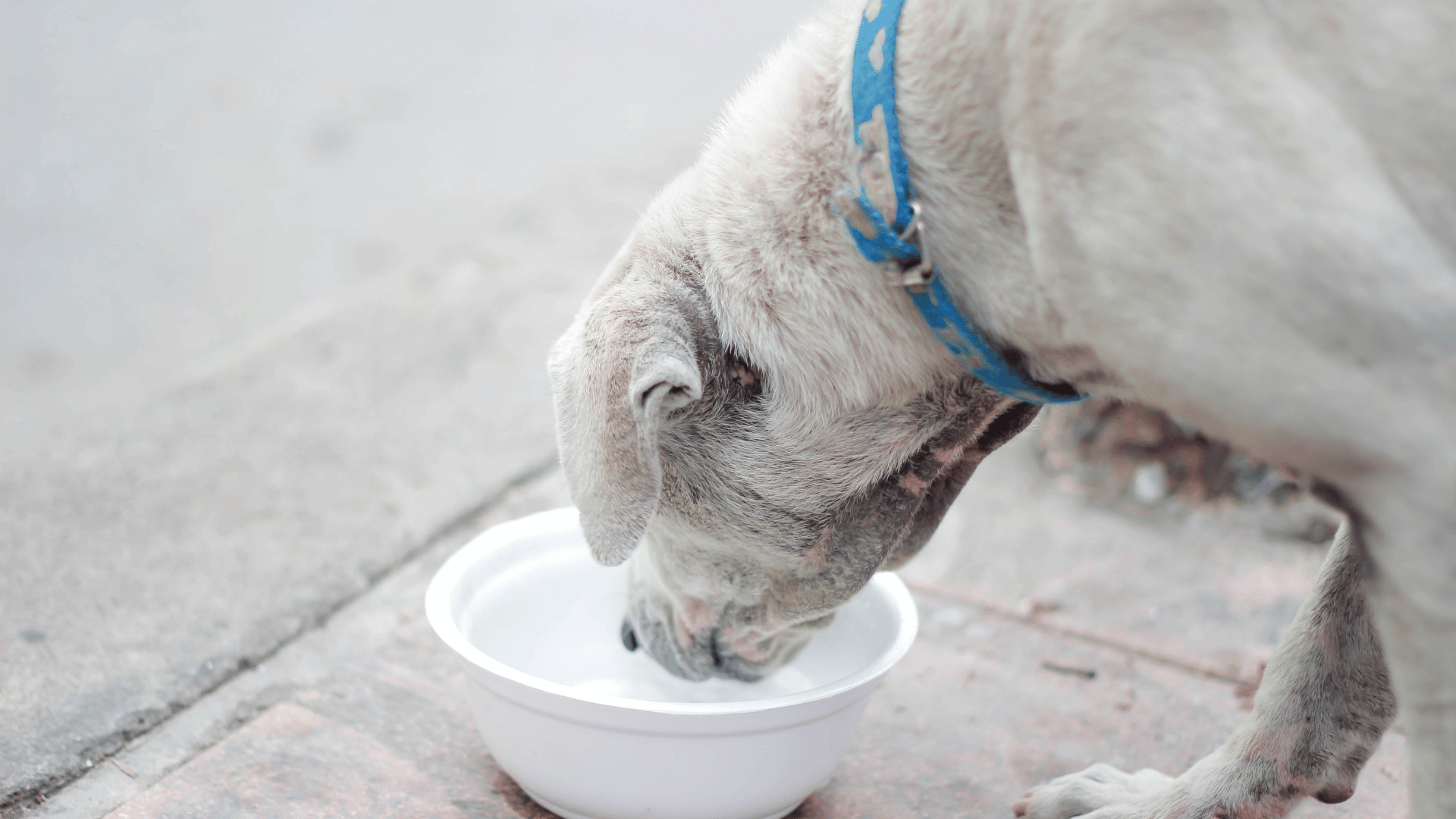
And for everyday hydration, nothing beats water. Many popular human drinks, including juice, coffee, tea and alcohol, aren’t safe for dogs. Freezing water inside a chew toy makes an easy lick-and-cool treat in summer.

Photo Credit: bark.co
When Should You Call the Vet?
Call your vet if vomiting or diarrhea is severe or lasts more than 12 hours after your dog has dairy.
Don’t wait if your dog seems lethargic, has a painful or swollen belly, can’t keep water down, or may have had something containing xylitol. Call your vet or an emergency clinic right away, and when in doubt, call anyway.
It’s also worth mentioning to your vet if your dog reacts to dairy more than once. Repeated reactions can point to a broader food intolerance or allergy, and your vet can help you figure out which ingredients to avoid.
Milk and Dogs FAQ
Can dogs drink milk?
Many dogs can have a small splash occasionally if they tolerate dairy, but lots of adult dogs are lactose intolerant. Water is always the better choice.
How do I know if my dog is lactose intolerant?
Diarrhea, loose stools, gas, vomiting or belly pain after a small amount of dairy are the most common signs. If you see them, stop the dairy and let your vet know.
Can milk settle a dog’s upset stomach?
No. Milk is more likely to make an upset stomach worse. Call your vet for advice on a sensitive tummy instead.
My dog drank a whole bowl of milk. What should I do?
Watch closely for vomiting and diarrhea, keep fresh water available, and call your vet if symptoms are severe or last more than 12 hours. If the milk was flavoured or sweetened, check the label for xylitol and call right away if it’s listed.
Can dogs drink almond milk?
It’s not recommended. Almond milk is high in calories and fat for a dog, and sweetened versions may contain xylitol, which is toxic.
Photo Credit: dogfoodadvisor.com
When You’re Away, Your Dog’s Routine Isn’t
Whether your dog is a dairy lover or has a stomach that says otherwise, the safest diet is the one they’re used to.
When your dog stays with us, our team follows your feeding instructions, tracks every meal through our colour-coded feeding services, and handles prescriptions through our medication administration program, so nothing changes just because you’re out of town.
Where This Information Comes From
This article draws on guidance from veterinary sources, including the Canadian Veterinary Medical Association on dairy and lactose in pets, PetMD’s vet-written guide to milk for dogs, and VCA Canada Animal Hospitals on xylitol poisoning.