
9 Essential Tips for Caring for Your Shih Poo
Shih-Poos are small, cuddly, quick-witted companion dogs, a Shih Tzu and Toy Poodle cross bred to be right by your side, and caring for one comes down to daily brushing, short bursts of exercise, a measured diet and plenty of time together.
Shih-Poo Overview
- Mix: Shih Tzu x Toy Poodle, sometimes called a “Shoodle”
- Size: 8 to 18 lbs and 8 to 18 inches tall, depending on the parents
- Temperament: affectionate, playful and clever, with a little Shih Tzu stubbornness
- Lifespan: 13 to 17 years, with some living 18 or longer
- Coat: low-shedding but high-maintenance; daily brushing and regular grooming visits
- Best for: apartment dwellers, seniors and families with older kids who are home often (or have a plan for when they aren’t)
Table of Contents
- What Is a Shih-Poo?
- 1. Brush Every Day and Book Regular Grooms
- 2. Keep Eyes, Ears, Teeth and Nails in Check
- 3. Feed a Measured Small-Breed Diet
- 4. Keep Exercise Short and Frequent
- 5. Give Their Brain a Workout
- 6. Start Socializing Early
- 7. Train With Rewards, Not Pressure
- 8. Know the Health Signs to Watch For
- 9. Plan for Time Apart
- Shih-Poo FAQ
What Is a Shih-Poo?
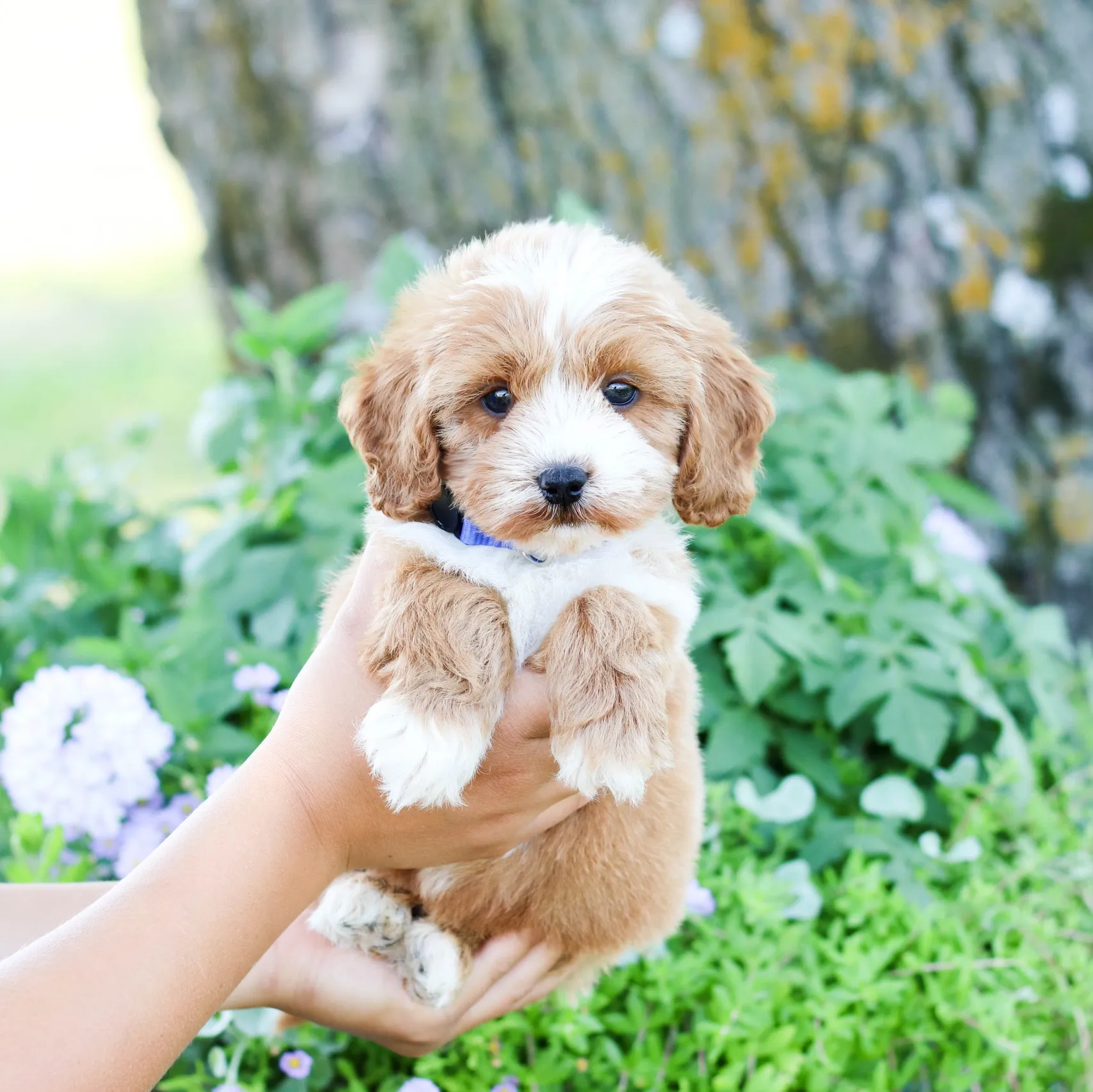
A Shih-Poo is a mixed-breed companion dog created by pairing a Shih Tzu with a Toy Poodle. It’s a relatively young cross with no official breed standard, so each dog can lean toward either parent in looks and personality.
Think about what each parent was bred for and the Shih-Poo starts to make sense. The Shih Tzu’s breed standard says its sole purpose is to be a companion and house pet, while the Toy Poodle brings brains and a bit of energy. Put them together and you get a small dog whose main goal in life is to be wherever you are, and who’s clever enough to figure out how to get there.
There is no clear source of the first Shih-Poo, and like other small designer crosses such as the Chiweenie, it isn’t recognized as a breed by the Canadian Kennel Club. Most adults weigh 8 to 18 pounds, with a coat that can be silky, curly or somewhere in between.
Expect a small shadow who follows you from room to room and treats personal space as a suggestion. These nine tips will help you keep that shadow healthy, happy and well-behaved for years to come.

Photo Credit: Stony Ridge Puppies
1. Brush Every Day and Book Regular Grooms
Daily brushing and a professional groom every one to two months is the single biggest part of caring for a Shih-Poo. Their soft, low-shedding coat keeps growing and tangles easily.
Mats aren’t just a looks issue. They trap moisture and debris against the skin and can lead to irritation, so a few minutes with a slicker brush and comb each day saves a lot of trouble later.
A shorter “puppy cut” makes the daily brush much faster, which is a lifesaver during Vancouver’s rainy season. Ask your vet how often to bathe, since too many baths can dry out the skin.
2. Keep Eyes, Ears, Teeth and Nails in Check
The small details matter with this breed. A quick weekly check of eyes, ears, teeth and nails catches most problems early.
Keep the hair around the eyes trimmed, and watch for cloudiness or reddish-brown tear stains, which are usually cosmetic but occasionally signal a health issue. Those floppy ears are prone to infection, so keep ear hair trimmed and clean them as your vet recommends.
Small breeds are especially prone to dental disease, so aim to brush teeth at least three times a week and keep up with professional cleanings. Trim nails regularly too, since long nails can change how a little dog walks.
3. Feed a Measured Small-Breed Diet
Feed a complete and balanced small-breed food, measured out at set mealtimes. Shih-Poos will happily overeat, so free-feeding is a fast track to extra pounds.
Puppies need three or four meals a day to keep their blood sugar steady, and adults usually do well on two or three. Small kibble suits their small mouths.
Count treats in their daily total, and ask your vet to help you land on the right portion. Keeping a Shih-Poo at a healthy weight is easier on their joints, which matters for a breed prone to knee problems.
4. Keep Exercise Short and Frequent
About 20 to 30 minutes of activity a day is plenty for a Shih-Poo. Two or three short walks, or a couple of 15-minute play sessions, covers it.
They don’t need marathon outings, which makes them a great match for condo life. They’re also light enough to tuck under an arm on a crowded seawall.
Shih-Poos with a shorter Shih Tzu-style snout can overheat more easily, so keep walks shorter and in the shade on warm days.
5. Give Their Brain a Workout
A bored Shih-Poo is usually a noisy one, so mental exercise matters as much as physical exercise. Boredom is a common trigger for barking and chewing.
Food puzzles, nose work and trick training all give that Poodle brain something to do. They’re perfect for the many days when it’s pouring outside.
Rotate toys every week or so to keep things fresh. A few minutes of sniffing or problem-solving can tire a small dog out as much as a walk.
6. Start Socializing Early
Start socializing your Shih-Poo as early as you can. The Canadian Veterinary Medical Association notes that a puppy’s critical socialization window closes before three to four months of age.
Gentle, positive introductions to new people, sounds, surfaces and calm dogs during those early weeks pay off for life. For a small dog, the goal is confidence around bigger dogs and busy places, not just tolerance.
Good socialization is also one of the best ways to prevent the behaviour problems that lead people to give up their dogs. At Jet Pet, every guest starts with an assessment, and playgroups are matched by size, energy level and temperament, so a 10-pound Shih-Poo plays with friends its own speed.
7. Train With Rewards, Not Pressure
Reward-based training works best for Shih-Poos. Treats, praise, toys and play teach faster and build the bond you’re after.
They come by their stubborn streak honestly. Shih Tzus can be willful, while Poodles are eager to learn, so most Shih-Poos are bright enough to pick things up fast and confident enough to negotiate when they’d rather not.
Keep sessions short and upbeat, and stay consistent. The CVMA strongly recommends reward-based methods and discourages aversive ones.
8. Know the Health Signs to Watch For
Shih-Poos are generally healthy and long-lived, but they can inherit conditions from both parent breeds. Regular vet visits and knowing the early signs make a big difference.
Joints are the big one. Patellar luxation, a kneecap that slips out of place, can show up as limping or a little “bunny hop,” and hip dysplasia and Legg-Calvé-Perthes disease are also possible.
Eyes deserve a close watch too, since cataracts, dry eye and progressive retinal atrophy all run in the parent breeds. Less common conditions include allergies, ear infections, the bleeding disorder von Willebrand disease and hormone-related conditions like hypothyroidism, Addison’s disease and Cushing’s disease.
9. Plan for Time Apart
Shih-Poos don’t love being alone, so plan ahead for the days you’re out. A Shih-Poo left solo for a full workday can get lonely, bored and anxious.
Build up alone time gradually from puppyhood, starting with a few minutes and working up. If separation anxiety becomes severe, your vet can walk you through options, including medication like trazodone for dogs.
On long workdays, a dog walker or daycare keeps your Shih-Poo company. At Jet Pet Olympic Village, small dogs have their own play area and boarding wing with soundproofed condo suites, so they never have to see or hear the big dogs. When you’re heading out of town, our dog boarding offers crate-free private suites with live pet cams so you can check in anytime.

Photo Credit: Stony Ridge Puppies
Shih-Poo FAQ
How long do Shih-Poos live?
Most Shih-Poos live 13 to 17 years, and some reach 18 or more. Good dental care, a healthy weight and regular vet visits help them get there.
Are Shih-Poos hypoallergenic?
No dog is truly hypoallergenic. Shih-Poos shed very little, which can help people with mild allergies, but spend time with one before you commit.
Is a Shih-Poo a good family dog?
Yes, for families with older children who’ll handle a small dog gently. Supervise them around toddlers, since their small size and grabbable coat make them easy to hurt.
What’s the difference between a Shih-Poo and a Shih Tzu Bichon?
A Shih-Poo is a Shih Tzu crossed with a Toy Poodle, while a Shih Tzu Bichon (sometimes called a Zuchon) is a Shih Tzu crossed with a Bichon Frise. Read our guide to the Shih Tzu Bichon to compare.
What other small Poodle mixes are similar to a Shih-Poo?
The Havapoo (Havanese x Poodle) and the Pomapoo (Pomeranian x Poodle) share the Shih-Poo’s small size, low-shedding coat and people-first personality.
A Little Dog Who Doesn’t Want to Miss a Thing
Shih-Poos give back everything you put in. The daily brush becomes cuddle time, short walks become neighbourhood tours, and you’ll rarely be alone in a room again.
The one thing they don’t do well is long days by themselves. If your schedule keeps you busy, a day of size-matched play with friends their own speed is a good way to send a Shih-Poo home happy, tired and ready for the couch.