

7 Reasons Miniature Dachshund Makes a Perfect Pet
Miniature Dachshunds have charmed households for generations: they’re small enough to travel easily, expressive enough to feel like a true personality in the home, and loyal enough to form a real bond with their family. Their signature shape, long body, short legs, isn’t just a look, either. It shapes almost everything about how you care for them, from how they exercise to how you protect their back over a lifetime, which is exactly what this guide walks through.
Overview
- Size: Under 11 lbs, roughly 5 to 6 inches tall at the shoulder
- Temperament: Affectionate, playful, bold, and deeply loyal to their people
- Lifespan: 12 to 16 years, notably long for a small breed
- Coat: Three types (smooth, longhaired, wirehaired), each with different grooming needs
- Best fit for: Apartments and smaller homes, owners ready to commit to back-health precautions
- Key consideration: Elevated risk of intervertebral disc disease (IVDD), largely manageable with the right daily habits
Jet Pet Resort: Tailored Care for Miniature Dachshunds
Small dogs with big personalities need care that actually matches their size and energy, not a one-size-fits-all approach. At Jet Pet Resort, every guest, Miniature Dachshunds included, is assessed before joining group play, then matched into playgroups by size, energy level, and temperament, so a compact dog like a Dachshund isn’t overwhelmed by much larger playmates. Guests also have access to private suites for downtime between play sessions, on-site grooming, and live pet cams so you can check in any time. Book Your Visit to see the suites and playgroups in person, or check current Rates for boarding and daycare.
Reason 1: Distinctive Appearance — A Unique Build With Real Care Implications
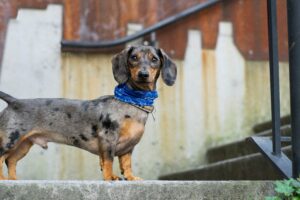
A Miniature Dachshund’s elongated body, short legs, and deep chest are instantly recognizable, and the breed comes in three coat types: smooth, longhaired, and wirehaired, each with different grooming needs (more on that below). That signature long-and-low shape isn’t just aesthetic. It puts extra, ongoing strain on the spine, which is the root cause of the breed’s best-known health risk (see Health Considerations). Regular veterinary eye exams are also worth keeping on schedule, since several eye conditions show up more often in the breed than average.
Reason 2: Charming Personality — Playful, Affectionate, and a Little Bold
Miniature Dachshunds are playful, curious, and often surprisingly bold for their size, a trait that traces back to their original job hunting badgers and other burrowing animals. That same boldness can show up as a strong prey drive or a tendency to bark at anything unfamiliar, and it comes packaged with real affection: most Dachshunds form intensely close bonds with their people and want to be wherever the family is. That same attachment means they’re prone to separation-related stress if left alone for long stretches, so their people-focused personality is a two-way commitment.
Reason 3: Family-Friendly — A Loyal Companion With a Few Ground Rules
Dachshunds tend to bond deeply with children and adults alike and adapt well to different household routines. Because of their long spine, though, rough handling, being dropped, or jumping off furniture poses a real injury risk, so families with young children should teach gentle handling from day one: supporting the body fully when picking them up, and keeping jumping on and off couches or beds to a minimum.
Reason 4: Compact Companions — Built for Smaller Spaces
Their small size makes Miniature Dachshunds a genuinely good fit for apartments and condos, and their exercise needs, while real, are manageable within city living (see Reason 5). Just keep stairs in mind: frequent stair use is one of the lifestyle factors researchers have linked to elevated back-injury risk in the breed, so a ramp or a lift up and down for stairs and furniture is a smart habit in a multi-level home.
Reason 5: Exercise Requirements — Moderate, Consistent, and Non-Negotiable
Miniature Dachshunds need roughly 30 to 60 minutes of activity a day, split across a couple of walks and some play, to stay physically and mentally healthy. This isn’t a low-energy breed, despite how they’re sometimes described; consistent movement helps manage weight, and extra weight is one of the more controllable risk factors for the back problems this breed is prone to. At Jet Pet Resort, structured playgroups give Miniature Dachshunds a way to get that activity in safely, matched with dogs their own size and energy level.

Reason 6: Grooming Essentials — Different Coat, Different Routine
Grooming needs depend on coat type: smooth-coated Dachshunds need only a weekly wipe-down and brush, while longhaired and wirehaired coats need brushing several times a week to prevent mats and tangles. Across all three coat types, regular nail trims matter more than owners often expect: overly long nails change how a dog stands and moves, adding extra strain to a spine that’s already working harder than most. Routine dental care and ear checks round out the basics.
Reason 7: Health Considerations — Know the Risks, Manage Them Early
The single most important health fact for any Dachshund owner is intervertebral disc disease, or IVDD, a condition where the discs cushioning the spine degenerate or rupture, sometimes causing sudden pain, weakness, or paralysis. Research shows the breed carries a risk roughly 10 to 12 times higher than other dogs, and insurance-claim data has found IVDD affects an estimated 24% of Miniature Dachshunds over their lifetime, compared with about 13% of Standard Dachshunds. The good news: several known risk factors are within an owner’s control, including maintaining a healthy weight, minimizing repeated jumping on and off furniture, using a harness instead of a neck collar, and adding ramps for stairs or car access. Beyond IVDD, keep an eye on obesity, dental disease, and progressive retinal atrophy, an inherited eye condition, and keep annual vet exams on schedule to catch any of these early.
Busting Myths — Common Misconceptions About Miniature Dachshunds
Myth: Dachshunds are stubborn and hard to train. In reality, they’re intelligent and food-motivated, which makes them very responsive to consistent, positive-reinforcement training. What looks like stubbornness is often a dog that hasn’t found the right motivation yet.
Myth: Dachshunds are a low-energy “lap dog” breed. They’re playful and food-driven, but they still need close to an hour of exercise most days. Skipping that activity is more likely to show up as barking, digging, or weight gain than as a calm, low-maintenance dog.
Myth: Dachshunds don’t get along with other pets. With early, positive socialization, most Dachshunds do well with other dogs and even cats. Their instinct to chase small, fast-moving animals (a holdover from their hunting background) is worth managing around very small pets, but it isn’t the same as general unfriendliness.
Social Butterflies — Sociable, With Real Benefits From Early Exposure
Miniature Dachshunds are naturally social when they’re given the chance to be, and early exposure to new people, dogs, and environments makes a measurable difference in how confident and well-adjusted they become as adults. The Canadian Veterinary Medical Association’s position on humane dog training confirms that positive, reward-based socialization during puppyhood lowers the risk of fear-based behaviour problems later in life. Specialized playtime with dogs matched by size and temperament, like the playgroups at Jet Pet Resort, is one practical way to build that social confidence safely, especially for a breed this compact.
Miniature Dachshund FAQ
How much exercise does a Miniature Dachshund need?
About 30 to 60 minutes a day, split across a couple of walks and some play. That activity level helps manage weight, which is one of the more controllable risk factors for the breed’s back problems.
Are Miniature Dachshunds good with kids?
Generally, yes. They bond closely with children and adults alike, but their long spine means rough handling or being dropped carries real injury risk, so young children should be taught to support the dog’s body fully and to avoid encouraging jumps on and off furniture.
What is IVDD, and how common is it in Miniature Dachshunds?
IVDD (intervertebral disc disease) is a condition where the discs cushioning the spine degenerate or rupture, sometimes causing sudden pain, weakness, or paralysis. Insurance-claim data estimates it affects around 24% of Miniature Dachshunds over their lifetime, well above the risk in most other breeds, though weight management, careful handling, and reduced jumping all help lower that risk.
Do Miniature Dachshunds shed a lot?
It depends on coat type. Smooth-coated Dachshunds shed lightly and need only a weekly brush, while longhaired and wirehaired coats shed a bit more and need brushing several times a week to prevent mats.
Are Miniature Dachshunds easy to train?
Yes, with the right approach. They’re intelligent and food-motivated, which makes them very responsive to consistent, positive-reinforcement training. What often gets mistaken for stubbornness is usually a dog that hasn’t found the right motivation yet.
Are Miniature Dachshunds good apartment dogs?
Yes. Their small size and moderate exercise needs make them a genuinely good fit for apartments and condos, as long as stairs are limited or a ramp is used, since frequent stair use is linked to elevated back-injury risk in the breed.
Miniature Dachshunds earn their popularity honestly: they’re affectionate, entertaining, adaptable to smaller homes, and genuinely loyal companions. The trade-off is a spine that needs real, ongoing protection, so understanding the breed’s IVDD risk and building weight management, careful handling, and consistent exercise into daily life isn’t optional extra credit, it’s the core of responsible Dachshund ownership. Get that part right, and a Miniature Dachshund makes an outstanding, long-lived family pet.